Database Contact Lifecycle Management


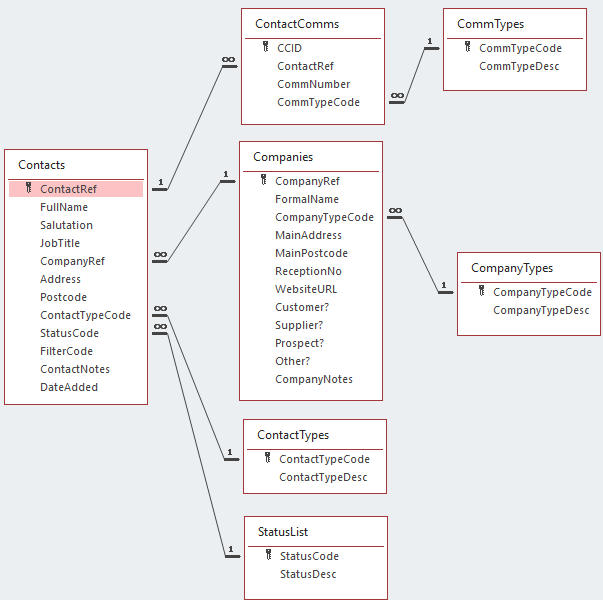
Effective Database Contact Lifecycle Management is the backbone of successful cold calling, email marketing, and multi-channel sales campaigns. It ensures that every contact in your database is handled systematically—from acquisition to conversion and long-term retention—while maximizing ROI and maintaining data quality.
1. Contact Acquisition & Database Building
The lifecycle begins with acquiring accurate, relevant, and permission-compliant contact data. Businesses typically source contacts based on geography, profession, or industry to align with their target market.
For example, platforms like databaseluke.com help businesses build structured databases that are ready for cold calling, email outreach, and lead generation. If your campaign focuses on professionals, segmented datasets such as US Database by Profession or region-focused lists like US Database by State can significantly improve targeting accuracy.
Similarly, companies targeting the Indian market can leverage India Database by Profession to reach decision-makers more efficiently.
2. Data Cleaning & Verification
Once contacts are acquired, data hygiene becomes critical. This stage involves:
Removing duplicate entries
Validating phone numbers and email addresses
Standardizing fields like job titles, industries, and locations
Clean data reduces bounce rates, improves call connection ratios, and protects your brand reputation during outreach campaigns.
3. Segmentation & Lead Categorization
After cleaning, contacts should be segmented based on:
Industry or profession
Location (country, state, city)
Company size or designation
Engagement level
Using segmented databases—such as profession-based or state-based lists—allows sales teams to tailor scripts, call timing, and value propositions, leading to higher conversion rates.
4. Engagement & Outreach
This is the most active phase of the lifecycle. Contacts are engaged through:
Cold calling
Follow-up calls
Email sequences
WhatsApp or LinkedIn outreach
With a well-managed database, agents can prioritize high-value leads and personalize conversations instead of using generic scripts.
5. Lead Nurturing & Status Tracking
Not every contact converts on the first call. Lifecycle management ensures that contacts are:
Marked as interested, not interested, callback, or follow-up
Added to nurturing sequences if timing is not right
Re-engaged after a defined cooling-off period
Proper tracking prevents over-calling and improves long-term conversion potential.
6. Conversion & Customer Onboarding
Once a contact converts into a customer, their lifecycle status changes. At this stage:
Sales notes are preserved
Preferences and buying behavior are recorded
Data is shared with onboarding or account management teams
This ensures a smooth transition from prospect to customer.
7. Retention, Upselling & Database Refresh
Lifecycle management does not end at conversion. Existing customers can be:
Re-targeted for upselling or cross-selling
Included in renewal or loyalty campaigns
Analyzed for repeat buying patterns
At the same time, outdated or unresponsive contacts should be archived or removed, keeping the database fresh and compliant.
8. Continuous Optimization
A strong contact lifecycle strategy involves constant review:
Analyzing call outcomes and conversion rates
Updating segments based on performance
Replacing stale data with fresh, high-quality contacts from reliable sources like databaseluke.com
Conclusion
Database Contact Lifecycle Management transforms raw contact lists into high-performing sales assets. By sourcing quality data, maintaining hygiene, segmenting intelligently, and tracking engagement at every stage, businesses can dramatically improve cold calling efficiency and sales outcomes. With structured databases and ongoing optimization, your contact lifecycle becomes a predictable and scalable growth engine.