Automated Follow-Up Sequences for Cold Call Prospects
4
Cold calling rarely results in instant conversions. Most prospects require multiple, well-timed follow-ups before they respond positively. This is where automated follow-up sequences become a game changer—helping sales teams stay consistent, professional, and persistent without manual effort.
1. Why Automated Follow-Ups Matter in Cold Calling
After the first cold call, prospects often say:
“Call me later”
“Send details”
“Not the right time”
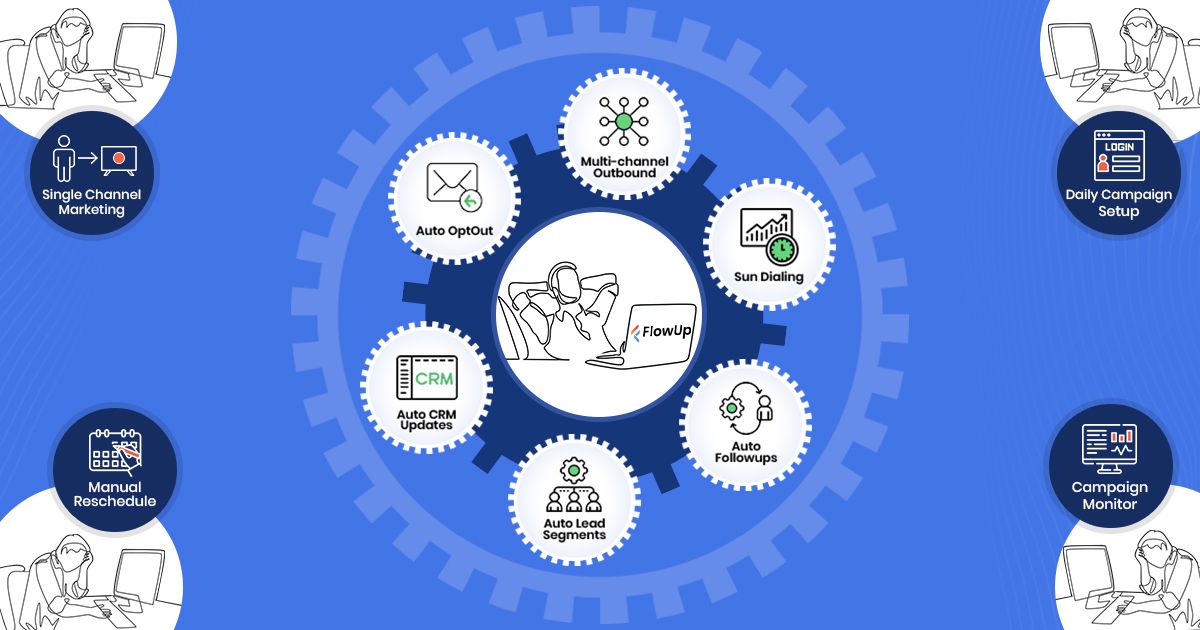
Without automation, these leads are easily forgotten. Automated follow-up sequences ensure no prospect slips through the cracks, while maintaining structured and timely communication.
Using a well-organized contact database from databaseluke.com makes automation even more effective, as your follow-ups are sent to verified and properly segmented contacts.
2. Building the Right Follow-Up Foundation
Automation works best when paired with high-quality databases. If your outreach is targeted, follow-ups feel relevant rather than intrusive.
For example:
US Database by Profession allows you to design profession-specific follow-up messages.
US Database by State helps localize timing and messaging.
India Database by Profession supports region-specific scripts and business-hour follow-ups.
3. Typical Automated Follow-Up Sequence Structure
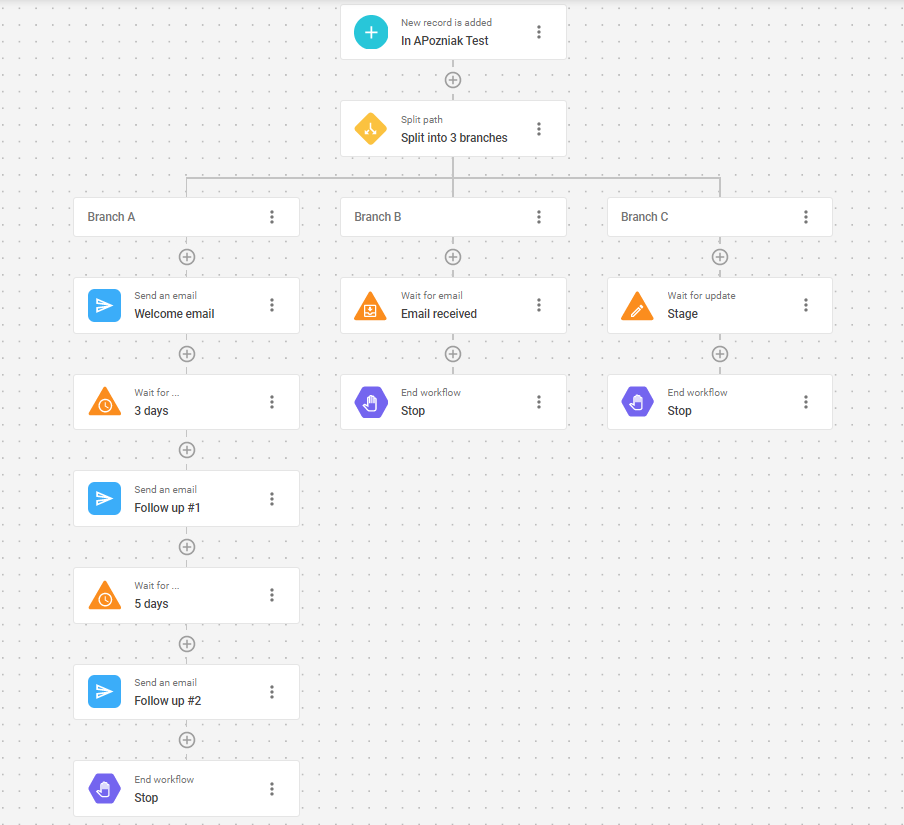
A proven cold call follow-up sequence may look like this:
Day 1: Thank-you SMS or WhatsApp after the call
Day 3: Follow-up email with value proposition or case study
Day 7: Reminder call or voicemail drop
Day 12: Educational email (FAQ, benefits, comparison)
Day 18: Final follow-up with urgency or limited-time offer
Automation tools trigger these actions based on call outcomes recorded in your CRM.
4. Multi-Channel Follow-Up Automation
The most effective sequences use multiple channels, such as:
Email automation
SMS or WhatsApp reminders
Scheduled call tasks
LinkedIn touchpoints
When combined with segmented databases, each follow-up feels personalized—even though it’s automated.
5. Personalization at Scale
Automation does not mean generic messaging. Modern systems allow:
Name and company personalization
Industry-specific pain points
Location-based messaging
Customized call-back timing
This is where categorized databases from databaseluke.com significantly boost response rates.
6. Tracking & Optimizing Follow-Up Performance
Automated follow-ups provide clear performance insights:
Open and reply rates
Call-back conversions
Best-performing follow-up days
Drop-off points in the sequence
By analyzing this data, teams can refine scripts, timing, and channels for better results.
7. Compliance & Prospect Experience
Automation must respect:
Do-not-call lists
Opt-out requests
Local communication regulations
Well-managed follow-up systems ensure prospects are contacted professionally, reducing complaints and increasing trust.
Conclusion
Automated follow-up sequences turn cold call prospects into warm, conversion-ready leads. When powered by accurate, segmented databases from databaseluke.com and its profession- or location-based datasets, automation helps sales teams scale outreach, improve consistency, and maximize conversions—without increasing workload.
A smart follow-up strategy doesn’t just save time—it multiplies results.